
Don't be shy
Drop a Line

Two knowledge systems in a room, one human and one machine, both getting better because the other one is there. That's the version I want.
The machine is learning from a thumbs-up, which is the thinnest thing a person can say. Optimize on that and you get a system that agrees with you. Are we designing for the part where both of you end up knowing more?
That's what humane by construction means to me. Consent, time, reasoning and imagination aren't ethics bolted on afterward. Rushed, tricked or bored people teach a model nothing.
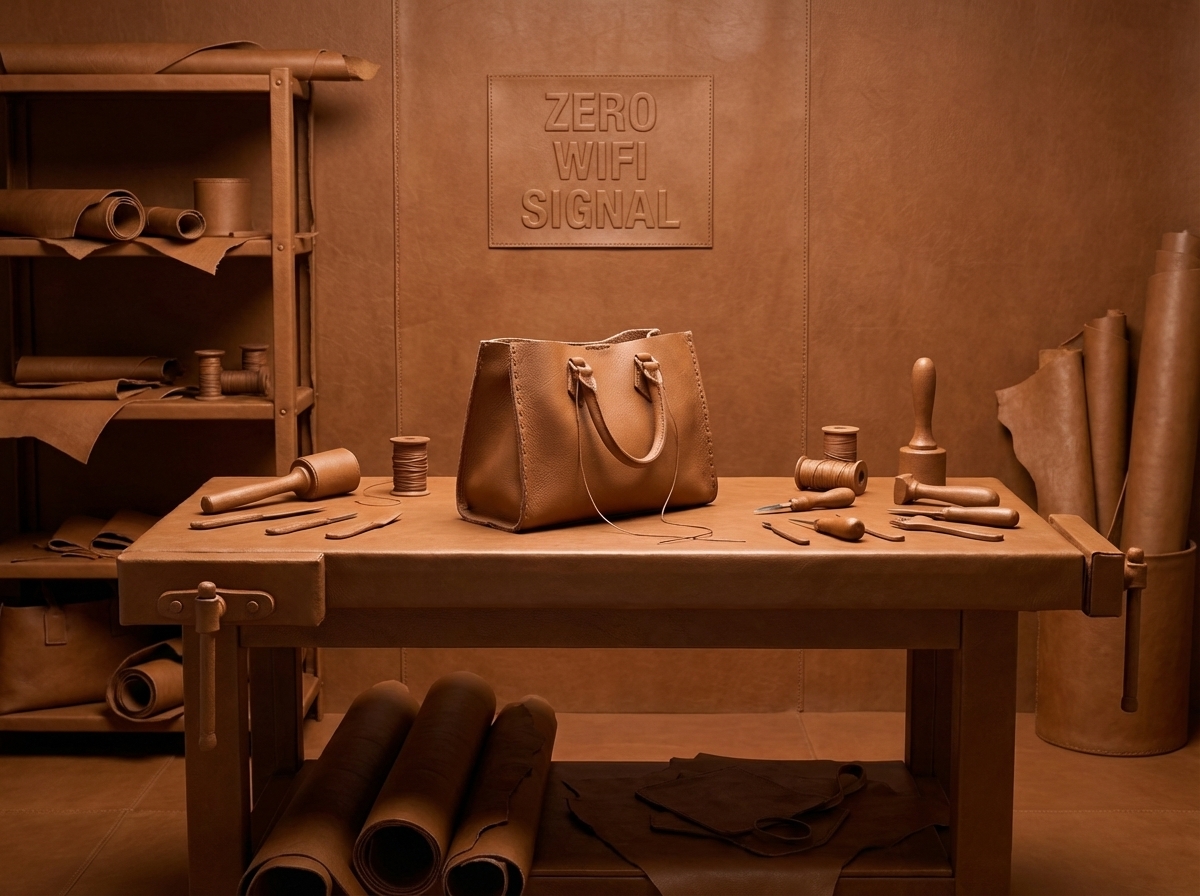
A collection that appears only when you are offline, standing near the boutique, or holding a code. Proximity grants forty-eight hours, then the door closes again. The friction is the product rather than something in front of it.
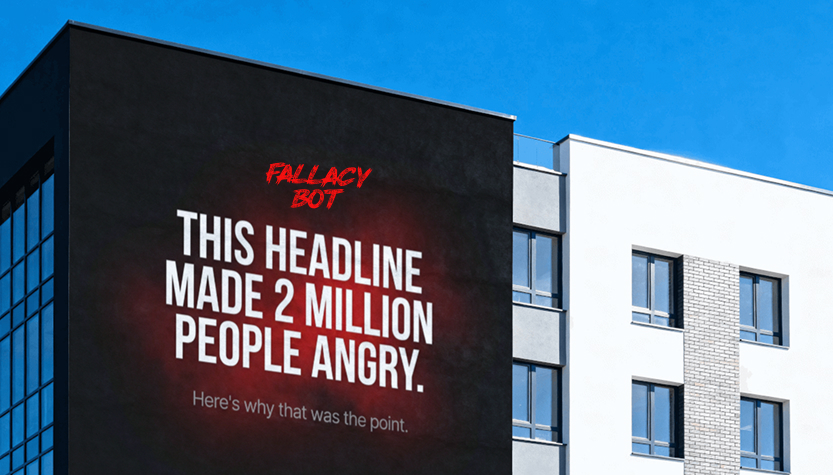
It reads a piece of writing and surfaces the persuasion working inside it, then shows how it reached that read, including where it corrected itself. The verdict stays with the reader.
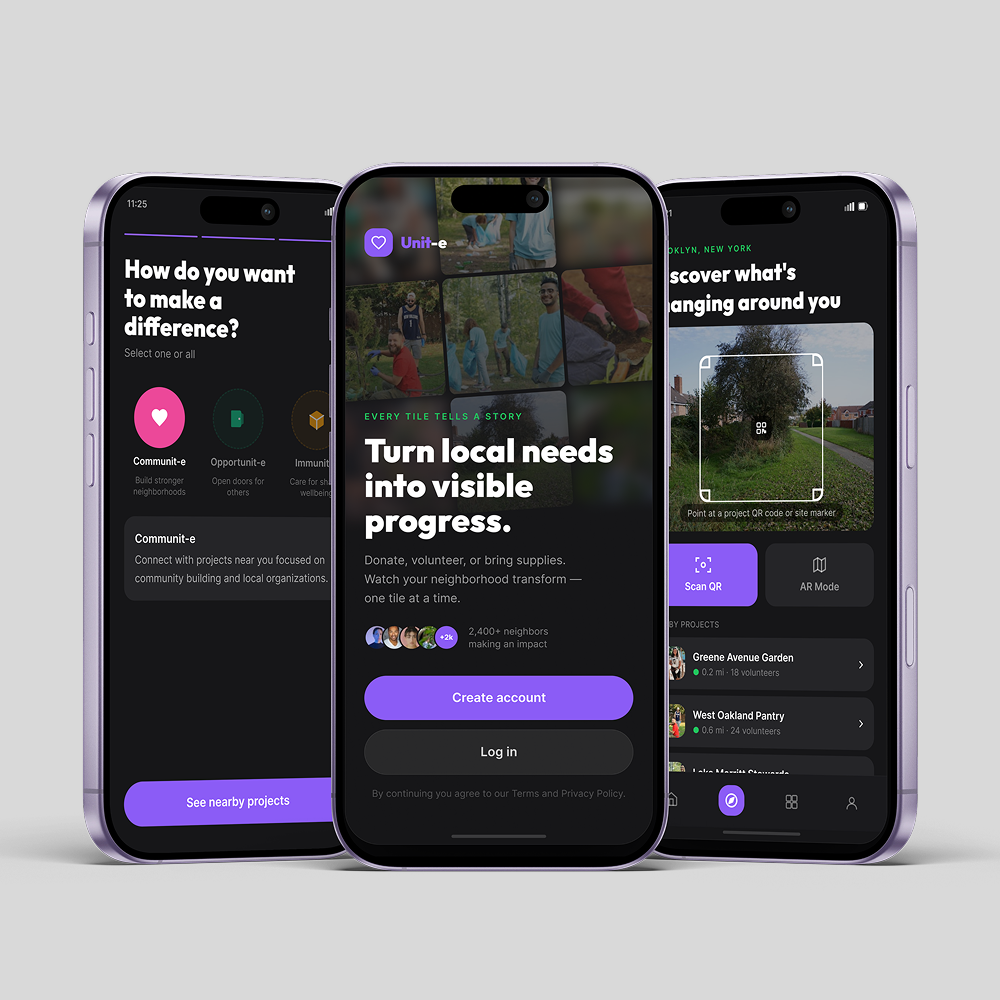
A civic contribution app where showing up is recorded as contribution. It came out of my MFA thesis on internet use and civic engagement, and it exists to test whether recognition for effort holds people the way recognition for money is assumed to.

Every city has its own agent, and it knows only what that city has told it. Its most important capability is the ability to say not yet. Coverage is stated on every answer, so someone deciding what to leave at home knows how much the advice is resting on.
Questions I keep coming back to, in my own work and when a team invites me into theirs. None of them are settled. I have better versions of them than I used to daily.
Search, topic chips and Wander load here on the published page. This text is replaced automatically.
Thoughts from the Notepad: May 2026
Something is genuinely good about people striving toward something together. I don't think that stops applying just because one of the participants is a machine. Two knowledge systems in a room, one human and one machine, both getting better because the other one is there. That's the version I want.
When it goes missing is when you notice it. Focus is supposed to help, but the tighter the tasks get, the more complete each person's view of them feels, and the less anyone is holding the whole. Then a disagreement arrives and there's nothing above it to appeal to, so it becomes about taste, or about seniority, or about each other.
The rift looks like a personality problem. Most of the time the story just went missing. Working with a model goes wrong the same way. Hand it a task with no sense of what any of it is for and it optimizes for the nearest measurable thing, which is how you end up with an answer shaped like a thumbs-up. This is usually where we end up as a team. Back at the beginning, at what the company said it was for and what it said it valued, and then at the last handful of design decisions, asking whether those two things still recognize each other. It's rarely that the story is gone. It's noticing that nothing anyone is doing this week is still attached to it.
Thoughts from the Notepad: May 2026
This is one of the questions I keep coming back to, in my personal work or when invited to evaluate product design solutions at scale.
The tools change every few months. The models change faster. Whatever a team learned to build with last year is already being replaced, and it's easy to feel that keeping up is the whole job. But the person at the end of it hasn't changed. They're still the reason anyone builds anything, and they're still where every product experience finishes, whether it was made by hand or by a model in an afternoon. Speed changes how you get there. It doesn't change who you're getting to. That's what proximity is for. Not an emergency handbrake, but the one fixed point to steer by while everything else moves.
Open Question: With changes this quick, how soon before we are playing the telephone game with the machine and not questioning it for the sake of speed? I do have an answer to what stays still: THE CUSTOMER!
Thoughts from the Notepad: June 2026
The fear is that grounding work in real people makes it cautious. What I've seen goes the other way. A team that can point to what it heard gets to try bolder things, because the bold idea finally has a reason behind it. Without that, every ambitious option is one opinion against another, and the safe one wins.

Open Question: Is this true everywhere, or only in smaller teams that already trust each other?
Thoughts from the Notepad: August 2026
Automate the distance, never the contact. Let tools do the sorting, the summarizing, the first drafts, the volume. Keep the conversation itself, deciding what a contradiction means, noticing who isn't in the data, and taste. It's less a rule about what AI can do and more about what a team forgets how to do if it stops doing it.
Open Question: Whether that line holds as the tools get better at listening, or whether it just moves.
Thoughts from the Notepad: August 2026
Nobody's, if you go looking. The brief said what it should do, and stopping isn't doing anything. The engineer built the spec. The review compared the build to the requirements and they matched. The metric was delivery time, and it improved. Every person did their job well and there's no ticket anywhere called “the part where it doesn't hit someone.”
Brakes are the unspecified part, and the unspecified part is where the humaneness lives. On a physical machine nobody forgets it, because the harm is immediate and has a name attached. OUCH. In software the missing brake leaves no mark. Someone just gets a worse life, slightly, at scale, and it never resolves to a human who could have stopped it.
This is why I don't think you can narrow the work to what is legible and then ask the automation to behave decently. Decency was the part that didn't fit in the ticket.
Thoughts from the Notepad: August 2026
Design is an art before it's a service. Something happens when you make a thing with your own hand: information stops being information and becomes a decision you can feel is just right. It's the fastest and most reliable judgment anyone has, and it's the reason a maker knows a line or cut is wrong before they can explain why.
A large language model can describe pride. It can tell you what it's for, when it appears, what it does to a human. It has never felt the thing that happens when a stitch comes out right, when you made your first sale, or opened your first shop. I don't think that's a flaw to design around. It's the clear division of labor. One half can articulate, the other half can feel, and neither is much good at the other's job.
Speed is fine. Tools are fine. I use them for the parts that are legible, so there's more room for the part that isn't. What I don't want is a definition of winning that only counts the half a machine can describe, because that's the half that can't tell you whether any of it was worth making for a human.

Open Question: If what we choose to create is a reflection of our inner human world, what does it say when we relinquish our life experiences to a legible model we don't own, for resale and consumption with no reward?
Thoughts from the Notepad: September 2026
The thing research misses is rarely hiding in the answers. It's in what didn't get said, and people don't withhold at random. They leave out what makes them look incompetent, what could get repeated to a manager, what they have learned not to mention, and what they assume you already know. The omissions have a shape, and the shape is made of fear, hierarchy, and whatever the system rewards. So the record of any organization is a record of what was safe to say in it.
Feed that to a model and it doesn't learn the work, it learns the performance, and then it infers from the performance with real confidence. More data makes that worse rather than better, because the same pressures produced every piece of it.
You can't average your way out of a systematic silence. This is why kindness isn't a nice-to-have in research, it's method. Not politeness. Conditions. Whether a person can say the embarrassing true thing without it costing them. What you get when they can is different in kind, not degree, and it's the only material worth building a system on. The same holds inside the work.
A team that isn't safe produces tidy artifacts with the difficulty edited out, and those artifacts become the specification, and the specification becomes the product. Everyone can feel that something is missing and nobody can point at it, because the missing thing was never written down.
Open Question: Whether you can watch the wild without changing it, or whether instrumentation just gives you another thumbs-up: plenty of signal, very little of it about why.
Thoughts from the Notepad: September 2026
And we're back with more questions. When you are witness to what feels like a win inside a process that wasn't humane, how do you respond? Do you meet it with the same coldness the system asks of us, or is there another way?
What I find myself curious about is what it might look like to be years ahead, not in how legible we make things with machines, but in kindness and in how our systems evolve.
I wonder if part of the answer lives in what we choose not to make readable. Systems tend to take what they can measure. Markets forget how we treated each other once the exchange is over, but the people close to us remember. It reminds me of a simple truth: you probably wouldn't ask for a cup of noodles from someone you turned away during a drought.
I want to be clear that I am not the judge. We all need to care for our families and our wellbeing, whatever is changing around us. And I am not sure we've ever fully agreed on what kindness looks like as a collective these days. Where I keep landing is that empathy might grow from staying curious, while still being able to take care of ourselves, both morally and economically.
I suspect this might feel uncomfortable, because it brings us back to the humanity in all of it. It's easier to talk about the “system” than about the people (sometimes machines run by people) on either side of it. Maybe that discomfort is something worth pausing in.
Yes, it can cost more than money. Refusing to win at someone's expense often means losing status, access, and a seat in the rooms where the rules get written, and that last one matters the most. If the people with heart step out, the process keeps running, now shaped only by a reflection of a system that truly enjoys the bet. There is also a quieter cost: fatigue, and the self-doubt of watching some get rewarded for what you won't do.
But notice how many of those losses are measured by a “system's” own scoreboard. Status, speed, and influence count as “harm” partly because the process says they do. What you keep, despite it all, is harder to count: a trust that compounds, relationships that don't need vigilance and guarding, work you can stand behind, and a self that doesn't need numbing to get through the day. The useful distinction may be between not exploiting and not competing. You can refuse to win at someone's expense and still play hard, stay in the room, and build leverage. The real question isn't whether kindness costs something (it does), but whether you can build enough structure around it that the cost stops being harmful and signals growth instead.
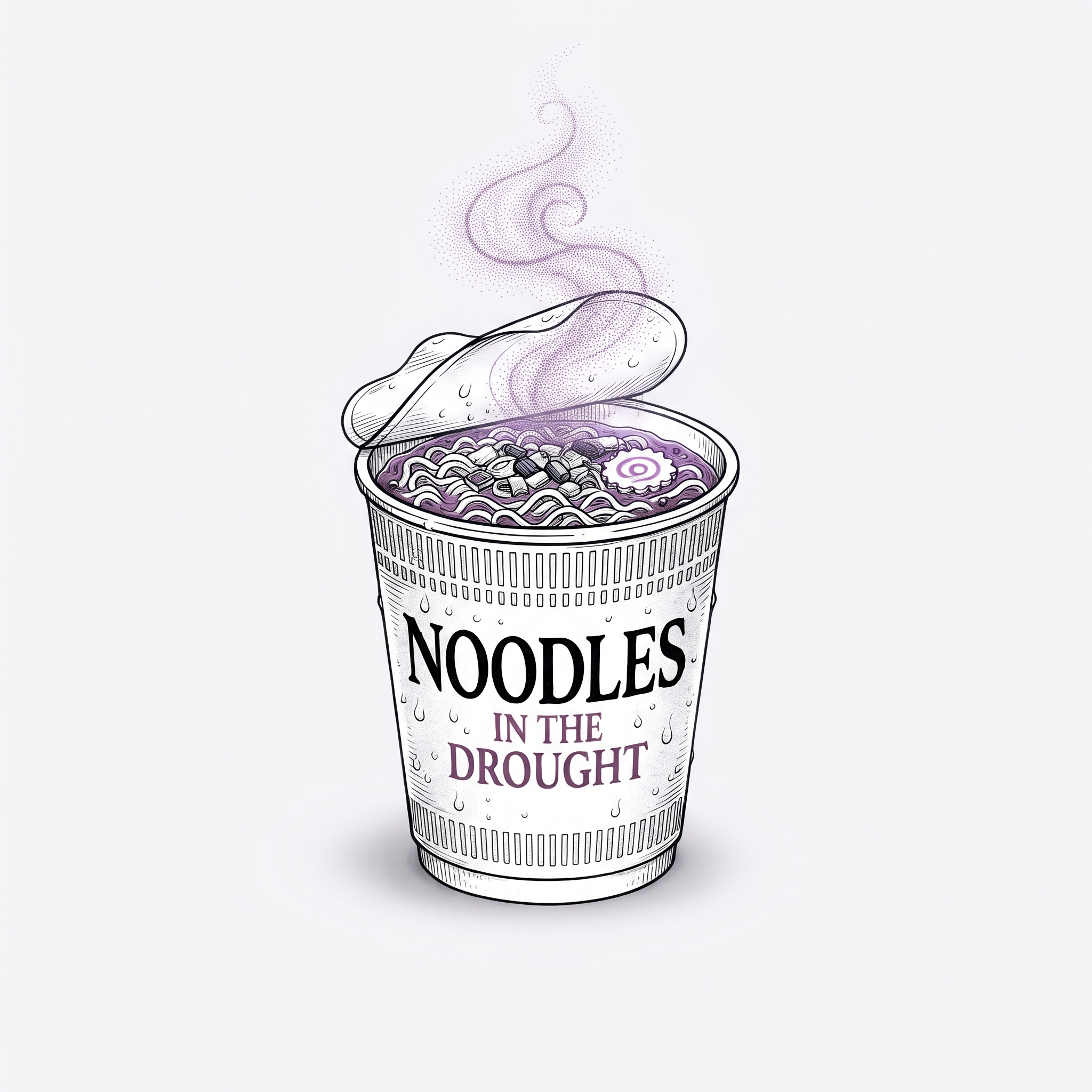
Open Question: Can resisting legibility keep the cost of kindness from becoming damage? Is this why privacy is important, for redemption and space to grow? Anyhow: don't ask for a cup of noodles from the person you kicked in a drought. Markets forget, proximity networks remember.
Thoughts from the Notepad: October 2026
I have sat in a lot of review rooms, and most of them had the same weather. Energy without direction. Opinions without a decision. I call it the swirl, and I have spent years quietly trying to stop it. Not by speeding the room up, but by giving it something to hold. We review the work, not each other. Every comment names a person, a moment, and a consequence. Ideas get credited out loud, and the credit is written down rather than claimed.
The research keeps pointing the same way. Edmondson found that the teams where people felt safe to take interpersonal risks were the ones that learned, and the learning is what carried their performance. Google's study of 180 teams landed in the same place. Amabile found that nothing lifts people at work like progress on something meaningful, and setbacks land harder than wins. A review that ends in a decision is a small win. A review that ends in swirl is a setback, and everyone carries it home.
Now there is a new voice in the room. Our experience and taste decide what we ask the machine, what we keep, and what we refuse, and almost none of that gets recorded. An MIT study found that people who wrote with an assistant felt less ownership of their own essays. The ones who thought first and brought the tool in later felt it more.
So I add friction on purpose. A small pause to say why we overrode the model, or whose question changed the direction. It slows the swirl, not the work. It is how a person gets to look at what shipped and say, that part was me, and here is why.
Open Question: If we only measure what the machine produced, what happens to the people who taught it what was worth keeping?
Thoughts from the Notepad: October 2026
Today I bumped into two young creators building their own fashion brands, and I could feel how much I wanted them to win. Not because the work was finished. Because they had already done the part most people never do. They said the idea out loud, put their names on it, and let it be seen before it was ready. The first step isn't talent. It's the courage to express.
I took that step years ago, and I still take it every time I make a custom piece. What stands in the way now isn't fear. It's the next hurdle: equipment, rent, manufacturing, apprenticeship. Real, old hurdles, the kind every maker meets eventually. Life teaches you a lot, but it teaches you nothing without action.
What moved me past them was kindness. Someone offered access to equipment so an idea could grow. Someone showed me the best way to stitch a piece, how to close a seam, all the small things no one writes down. The hurdles didn't disappear, what I was experienceing was people making room around them. That kind of help only reaches you once you are already moving, which is why these first ( very difficult at times ) steps matter so much.
So I am cheering myself on, and everyone else too. Meet the challenge where you are. Keep imagining new solutions. Being kind to yourself and your ideas takes courage, and sometimes the kindest thing you can do for someone else's idea is hand them the tool, or show them how to stitch.
Open Question: What do you know how to do, or have access to, that could be the open door for someone else's idea?

They run through the experiments too. whattowear.in gives each city its own agent that would rather say not yet than borrow another place's answer. Unit-e counts showing up. FallacyBot was run by hand before any of it was automated.

Together we will learn techniques used by global foresight practitioners, collaborate and explore timely topics, spark the imagination, and create a unique XR artifact of possible futures.

